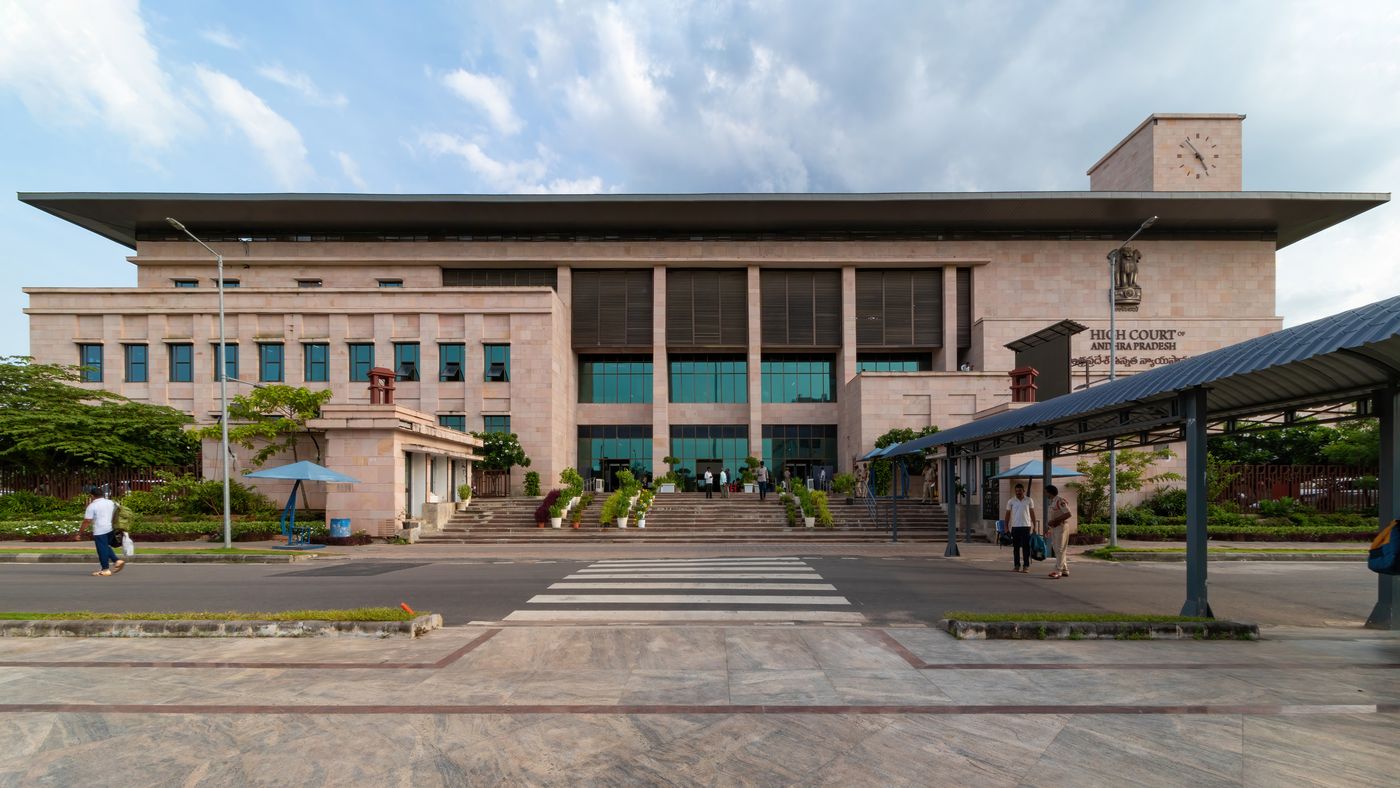
For most of the last decade, anyone asking about Amaravati got the same answer: "wait and see." That answer has changed. The Andhra Pradesh Secretariat is functioning, the High Court of Andhra Pradesh has been operational since 2024, and SRM University AP is running full academic batches on its Amaravati campus. A capital city that existed mostly on master-plan documents for years is now a place where thousands of people work, study and live every day — and that shift changes the investment case completely.
A Capital That's No Longer "Upcoming"
Real estate around a planned capital typically moves in three phases: announcement (cheapest, riskiest), construction (steady appreciation, still some uncertainty), and operational (prices re-rate as the city becomes a place people actually need to be). Amaravati spent longer than expected in the construction phase — the project saw both rapid building and a multi-year policy pause before work resumed — but it has now clearly crossed into the operational phase for its core government and education infrastructure. That transition is exactly when land near a capital historically sees its sharpest re-rating, because government employees, lawyers, court staff, faculty and students all need housing within a reasonable commute.
The Infrastructure Numbers Behind the Hype
It's easy to be cynical about "₹1 lakh crore investment" headlines, so it's worth being specific about what's tangible on the ground today: a functioning Secretariat and High Court complex, an operational SRM University AP campus, the completed Dhyana Buddha statue precinct on the Krishna riverfront, wide seed-access roads with full street lighting already built and in use, and multiple government employee housing clusters (including Group-D housing and MLC quarters) at various stages of construction. None of this is speculative — it's visible, and we photograph it regularly because clients ask to see it before they ask about brochures.
Where the Value Is Actually Moving
Not every part of the capital region is moving at the same speed. The corridor closest to the Secretariat and High Court — covering Rayapudi and Velagapudi — has the shortest commute to government employment and has historically appreciated fastest. Thullur's wider plots suit villa-style construction. Mandadam and the open-land corridors further out remain the entry point for buyers prioritising lower per-square-yard pricing over immediate construction-readiness. We go deeper on this zone-by-zone split in our growth corridor analysis.
Risks Worth Naming Honestly
We'd rather tell you this upfront than have you discover it later: capital-city real estate is a multi-year hold, not a flip. Amaravati's own history shows construction pace can slow when state priorities shift, liquidity on resale is improving but still thinner than in established cities like Vijayawada or Hyderabad, and not every layout in the region is DTCP-approved or free of title disputes. None of this makes Amaravati a bad investment — it makes due diligence non-negotiable.
How We De-Risk Your Purchase
Every property we list is checked for DTCP and RERA compliance, and we run an independent title verification — encumbrance certificate, link documents, and government land records — before it goes anywhere near a client. We've guided 500+ families through this process over 15+ years, with roughly ₹100 Crore in property value facilitated to date. If 2026 is the year you're finally considering Amaravati seriously, that's the same year we'd recommend doing it with full documentation in hand, not just a good feeling about the headlines.
The capital stopped being a promise around 2024. What's left to debate isn't whether Amaravati works — it's which specific plot, at which price, makes sense for your timeline.
Ready to explore Amaravati real estate?
Talk to our team for a free, no-obligation consultation on plots, villas and land in Amaravati.